

Probabilistic processing unit
PPU
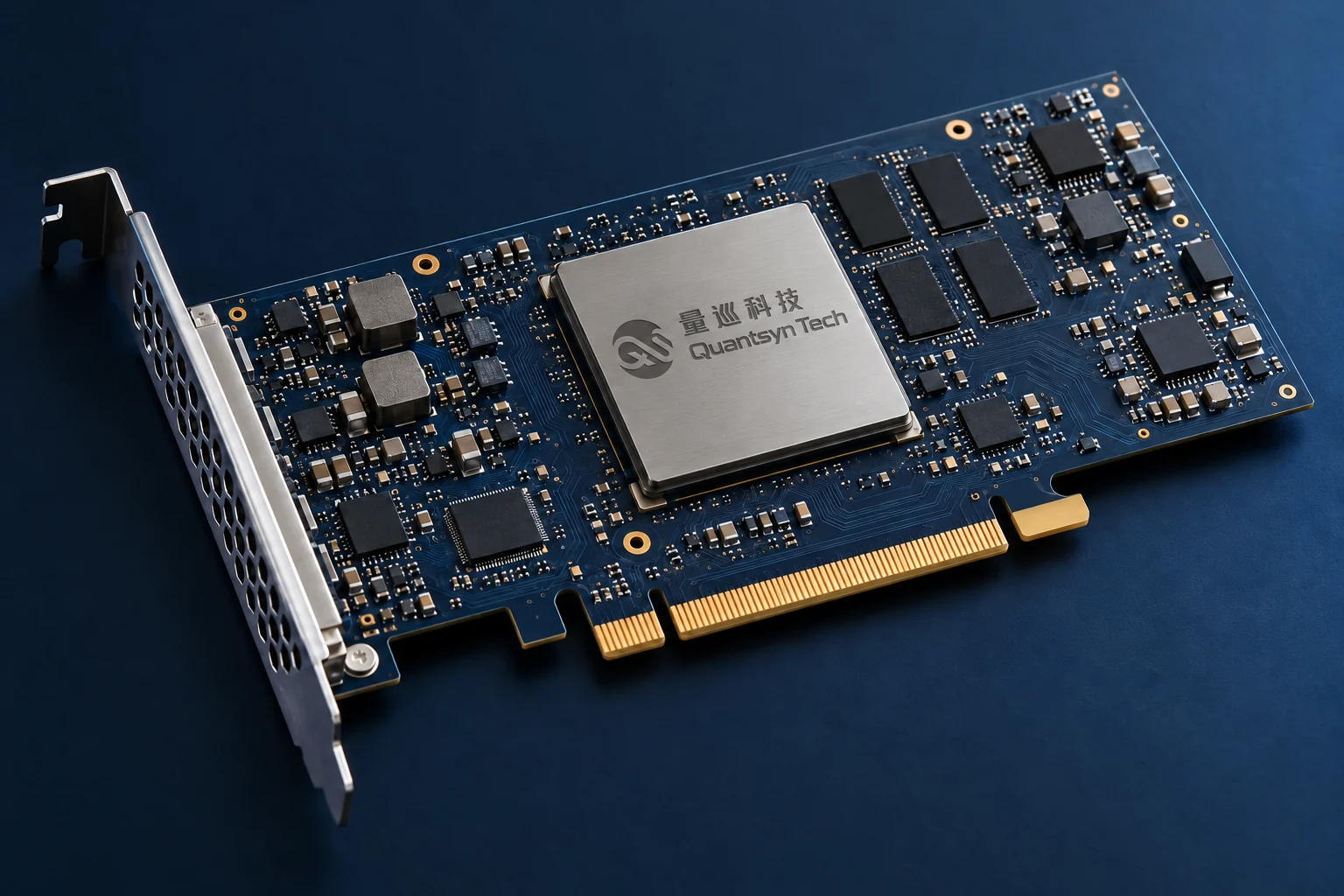
We explore physical sampling with spin-based probabilistic bits (p-bits), developing dedicated processing units for probabilistic inference and combinatorial optimization alongside GPUs and other processors.
- Sampling acceleration: Device-level randomness generates bitstreams, reducing reliance on algorithmic random number generation in some sampling stages.
- Probabilistic neural networks: Research into sampling acceleration for Bayesian networks, Boltzmann machines and related models.
- Combinatorial optimization: Mapping suitable optimization problems to Ising or QUBO models to study stochastic search methods.
Results depend on the task, accuracy, communication overhead and system configuration, and require end-to-end validation.
Discuss PPU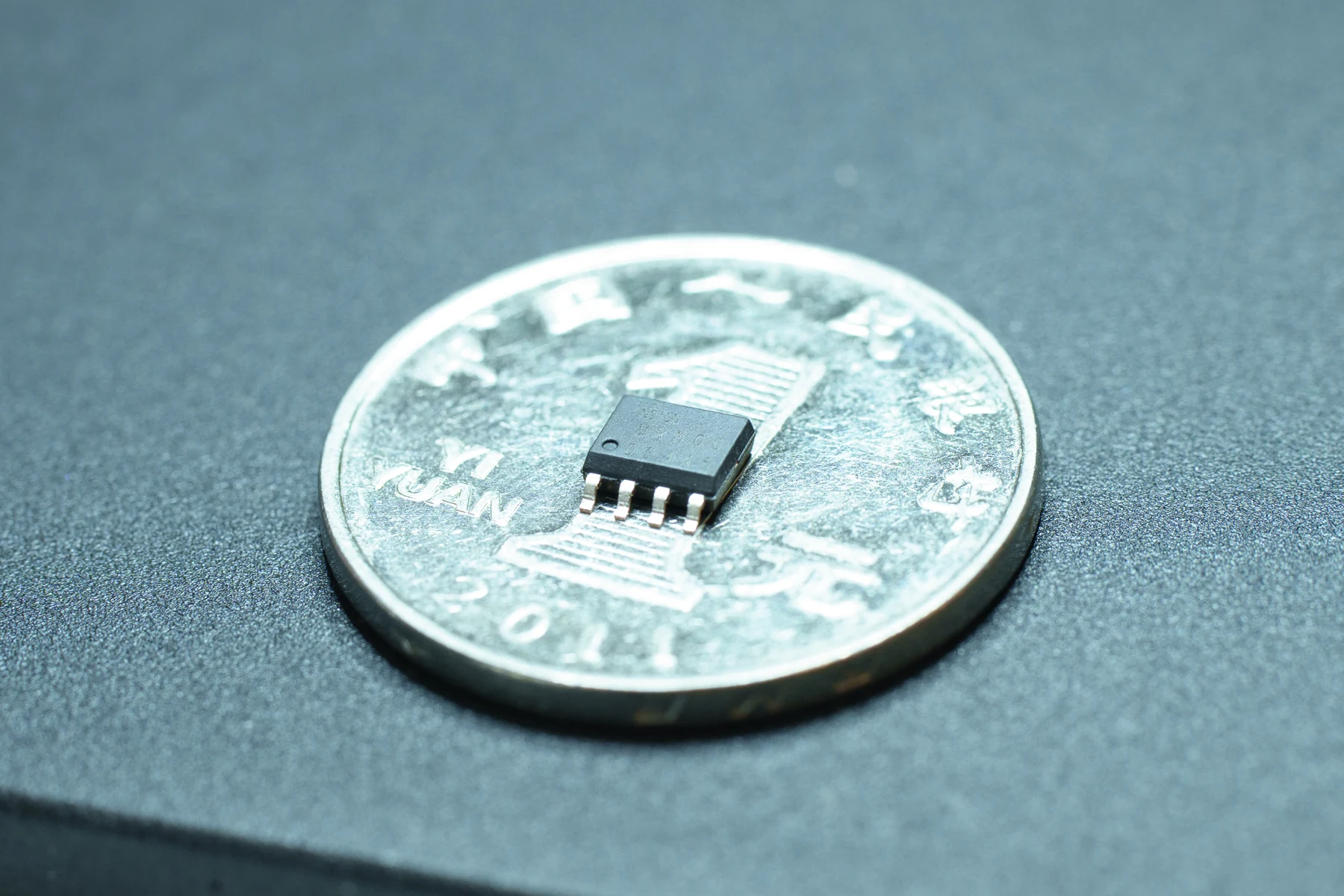
Quantum random number generator
QRNG
A spin-fluctuation quantum entropy source for key generation, authentication and endpoint security. The source, post-processing and continuous health tests must be designed around system security requirements.
- Physical randomness: Randomness comes from physical processes. Output quality must be established through entropy assessment and testing.
- Applications: Key generation · Authentication · Endpoint security
We welcome discussions of your rate, interface, power, packaging and testing requirements.
Video in Chinese.
Post-quantum cryptographic hardware
PQC
A sufficiently large fault-tolerant quantum computer could use Shor’s algorithm to threaten RSA and elliptic-curve public-key cryptography. QuantSyn researches post-quantum algorithms, hardware implementation and system integration.
- Quantum resistance: Post-quantum cryptographic schemes based on hard mathematical problems, including lattice problems.
- System integration: Integration with authentication, key management and communication protection. Security depends on the complete system.
- Migration planning: NIST has released its first post-quantum cryptography standards ↗. Migration should account for local requirements, industry rules and the required confidentiality lifetime of data.
Talk technology with us
Share your application, interface and test requirements so we can explore a suitable approach together.
Discuss a project